
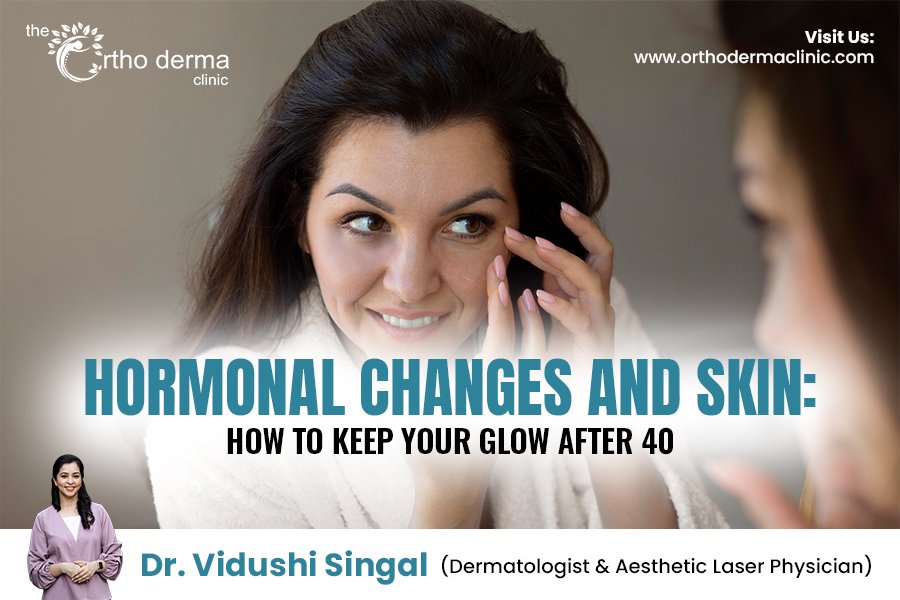
As we age, our bodies go through significant hormonal changes, especially after 40. For women, perimenopause and menopause can drastically affect the skin, while men may experience gradual shifts in testosterone that also impact skin health. These hormonal fluctuations often lead to dryness, pigmentation, fine lines, loss of elasticity, and acne flare-ups.
The good news? With the right skincare, lifestyle habits, and professional guidance, it’s possible to maintain a healthy, glowing complexion well beyond your 40s.
How Hormones Affect Your Skin After 40
1. Estrogen Decline and Skin Aging
Estrogen plays a crucial role in collagen production, skin hydration, and elasticity. After 40, estrogen levels drop, leading to:
- Thinner skin and reduced firmness
- Fine lines and wrinkles
- Dryness and flakiness
- Slower healing from cuts or blemishes
2. Androgen Fluctuations and Acne
While acne is often associated with teenagers, hormonal shifts in your 40s can trigger breakouts due to changes in androgen levels, which increase oil production.
3. Cortisol and Stress
Cortisol, the stress hormone, can accelerate aging and pigmentation. Chronic stress may also worsen skin conditions like eczema, rosacea, and adult acne.
4. Thyroid Hormones and Skin Health
Thyroid imbalances are common after 40 and can lead to dry, rough skin, puffiness, and hair thinning. Regular monitoring and management are essential for maintaining skin vitality.
Skincare Strategies to Maintain Your Glow
1. Hydrate and Nourish
- Use moisturizers with hyaluronic acid to retain water in the skin.
- Include antioxidant-rich serums (vitamin C, E, and niacinamide) to fight free radicals and improve skin tone.
- Drink at least 8–10 glasses of water daily to maintain skin hydration from within.
2. Boost Collagen
- Incorporate retinoids or peptides in your nighttime routine to stimulate collagen production.
- Consider professional treatments like RF skin tightening, microneedling, or Profhilo to restore firmness and elasticity.
3. Sun Protection Is Non-Negotiable
- Apply broad-spectrum SPF 30+ daily, including the neck and hands.
- Wear hats, scarves, and sunglasses to reduce UV-induced aging.
4. Balanced Diet and Hormonal Support
- Eat protein-rich foods, omega-3 fatty acids, and colorful fruits and vegetables for skin nutrition.
- Consider herbal or nutritional supplements to support hormonal balance after consulting a doctor.
5. Gentle Cleansing and Exfoliation
- Avoid harsh cleansers that strip natural oils.
- Use gentle exfoliants like lactic or mandelic acid 1–2 times per week to remove dead skin cells and brighten the skin.
6. Manage Stress
- Practice yoga, meditation, or breathing exercises to reduce cortisol levels.
- Ensure 7–8 hours of quality sleep to allow skin repair and regeneration.
Professional Dermatology Treatments for 40+ Skin
- Profhilo: Deep hydration and skin remodeling without volume addition.
- HIFU (High-Intensity Focused Ultrasound): Non-surgical lifting for face and neck.
- RF Tightening: Stimulates collagen and elastin for firmer skin.
- Laser Toning: Reduces pigmentation and improves skin tone.
Dr. Vidushi Singal specializes in personalized anti-aging and hormonal skincare plans, helping patients maintain radiant, youthful skin while addressing hormonal concerns.
Lifestyle Habits to Support Skin Health
- Quit smoking and limit alcohol – both accelerate aging.
- Exercise regularly to improve circulation and skin oxygenation.
- Stay consistent with skincare routines—results take time, but commitment pays off.
Conclusion
Hormonal changes after 40 are inevitable, but they don’t have to mean dull, aging skin. With the right combination of skincare, professional treatments, and healthy lifestyle habits, you can maintain your natural glow and confidence at any age.
Consult a dermatologist today to develop a personalized plan tailored to your skin and hormonal needs.